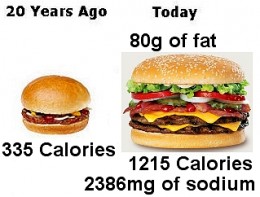
Obesity and overweight are increasingly common conditions of the North American population. Whether you have 1 lb or 100 lbs to lose, getting the weight off and keeping it off can be challenging. Many meals are large portions, and most people have occupations that do not require physical activity.
People gain weight for three common reasons:
1) inactivity or a sedentary lifestyle,
2) eating an imbalanced diet, and
3) eating large portions.
Before attempting to take on weight reduction, think about which of these 3 factors applies to you. Most of the time, it is a combination of all the above. Ask yourself these questions: 1) Are you physically active at least 30 minutes for at least 3 times per week? 2) Is most of your caloric intake supplied by high fat foods or high carbohydrate foods? 3) Do you tend to overeat?
Most fad diets fail because they are difficult or are unhealthy to sustain. The road to weight reduction may be a long one. Make lifestyle changes and change your eating habits to improve your chances for success.
*If you have more than 10 lbs to lose, please talk to your doctor before embarking on any weight reduction program.
WHAT IS BMI?
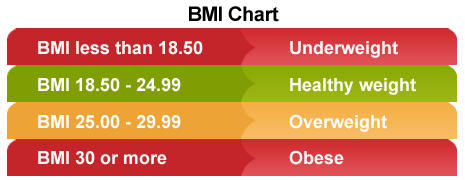
How does one determine whether weight reduction could improve one’s health? Most health care providers use the Body Mass Index (BMI) to help determine whether a patient is overweight or obese. Click here for a BMI Calculator.
HOW MUCH WEIGHT SHOULD I LOSE?
How does one determine how much weight one needs to lose? A simple approach is to start with 5% of your body weight. For example, if you weigh 200 lbs, 5% would be 10 lbs, and to plan to lose this over 5 months or so. Five percent weight loss can reduce heartburn, lower cholesterol levels and reduce your risk of diabetes. A reduction of 1 kg can also lower your blood pressure by 1 mmHg.
Another approach would be to use the BMI calculation to bring one’s weight down to a safer BMI level, first, to below 30, then to below 25. This is a bigger undertaking and could take months to years. The key is to begin a healthier lifestyle and to ensure that your weight is going in the right direction. Hitting a target is not the most important thing and it helps not to let the scale reading discourage you. If you are feeling better, you ARE better.
PHYSICAL ACTIVITY
The key to becoming more active is to find an activity that you enjoy. While physical activity has a limited effect on weight loss, alone it can result in a 1/2 lb weight loss per month. It does have many health benefits including improving constipation and reducing pain from fibromyalgia. Make a habit of doing your favourite activity every day or every other day even if you start with only 15 minutes at a time. Gradually increase to 30 minutes 3-5 times per week. It helps to attach exercise to a habit that you already have, say, walking on the treadmill after you brush your teeth or before you take a shower.
*CHECK WITH YOUR DOCTOR BEFORE BEGINNING ANY EXERCISE PROGRAM.
You will be surprised at how soon you will find that the activity becomes easier and more enjoyable.
DIET
Next, think about whether eating poor choices of foods, or eating too much food is a bigger problem for you. In either case, a simple approach is to rebalance the food choices and to control portions. There are many ways to do this, but the most effective approach in the long term is usually to keep it simple.
An easy way to control portions and to balance your diet is to use a bento box style food container or a divided plate. Using a regular plate is fine too if you can draw imaginary lines.
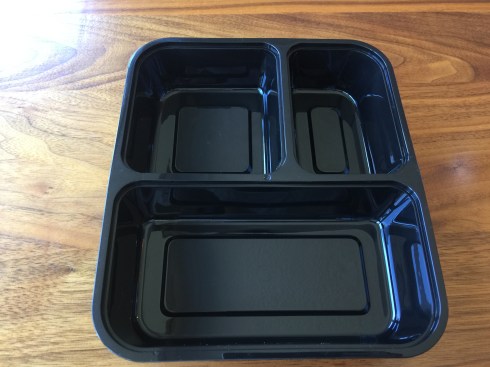
Portion A (1/2) – VEGETABLES (preferably green and orange)
Portion B (1/4) – PROTEIN & DAIRY – includes meat (preferably lean; pork and poultry are more climate friendly than beef), fish (preferably low mercury char, herring, mackerel, salmon, sardines and trout) and alternatives such as eggs, beans, lentils, tofu AND 2 servings per day of skim, 1% or 2% milk and milk products (including cheese, yogurt)
Portion C (1/4) – CARBOHYDRATES (preferably whole grain) including bread, pasta, rice, and potatoes, and anything that tastes sweet including fruits, corn
Use this plate or container every time you eat. Using this method, you should 3 plates, up to 4 plates per day including snacks. Always eat breakfast and drink 8 glasses of water per day (unless your doctor has you on water restriction). In general, you want to avoid sweets like desserts, soda pop, and fruit juice and high-fat foods. If you do decide to have fruit or dessert, include this in Portion C on your plate. Eating this way helps increase the amount of greens, include protein with each meal, and limit the carbohydrates. It also controls your portion sizes. Consult with a nutritionist if you already have dietary restrictions due to other conditions. Canada’s Food Guide can also help you to make smarter food choices.
If despite changes in your lifestyle and diet, your BMI remains over 35, or you already have complications of obesity and your BMI remains over 30, you may need medical intervention for weight loss. Speak to your doctor about referring you for medical weight loss consultation and bariatric assessment.
IMPORTANT REMINDER:
The preceding information is intended only to provide general information and not as a definitive basis for diagnosis or treatment in any particular case. It is very important that you consult your doctor about your specific condition.
 Dr. Elaine Yong